How Real-Time Plate Alerts Help Prevent Number Plate Cloning and Fraud
Why Number Plate Cloning Is a Growing Concern
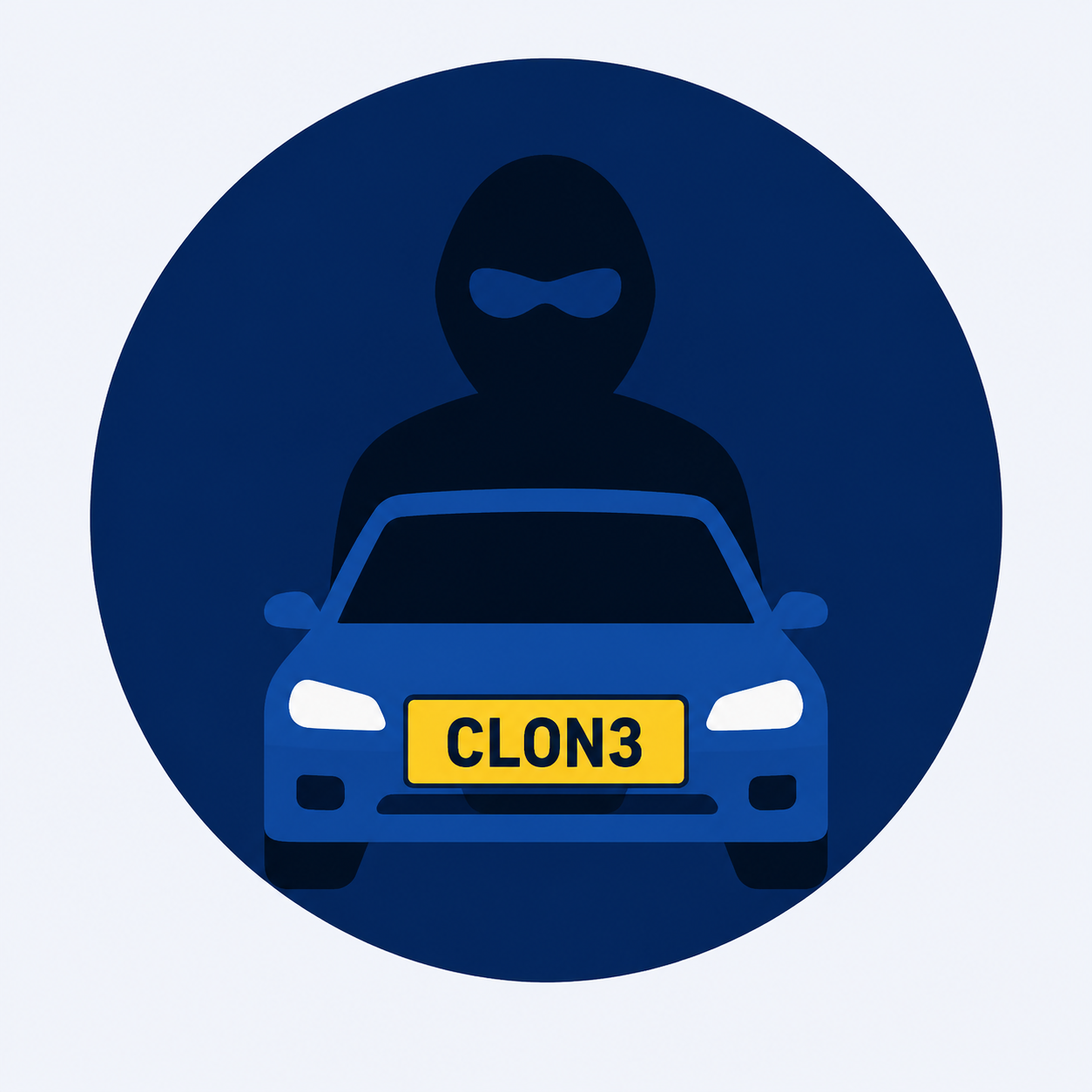
Number plate cloning is not a new problem, but it has become more common in recent years. Criminals copy a legitimate registration plate from a vehicle of the same make, model and colour, then fit it to an identical vehicle used for illegal activities. The legitimate owner receives fines, congestion charges, penalty notices and even criminal accusations. Sorting this out takes time, money and a lot of paperwork.
The difficulty is that standard number plates are easy to replicate. A cloned plate looks identical to the original, so traffic cameras and ANPR systems read it as the genuine vehicle. The owner often has no idea anything is wrong until a letter arrives. By then the trail has gone cold.
This is where technology like protect-a-plate real-time plate alerts can shift the balance. Instead of relying on spot checks or post-incident reports, the system monitors for unusual activity and flags it instantly. The idea is to catch misuse early, before it escalates into a bigger problem.
What Real-Time Plate Alerts Actually Do
A real-time plate alert system works by linking your vehicle registration to a monitoring network. When your plate is scanned by ANPR cameras across the UK, the system checks the scan against expected patterns. If something does not match - for example, your car is seen in two places at once, or it is recorded in an area you never visit - an alert is triggered.
These alerts come through quickly, often within minutes. That speed matters. If you know your plate has been cloned while the incident is still fresh, you can report it to the police and to the DVLA before more fines or penalties accumulate. You can also start building evidence that you were not at the scene, which strengthens your case.

The system does not replace the need for vigilance. It adds a layer of detection that works in the background, complementing what you would normally do. For many drivers, the peace of mind alone is worth having. But the real value is in the gap it fills: the time between a cloned plate being used and the owner finding out.
How Cloning Happens and Why It Works
To clone a plate, a criminal needs only the registration mark and access to a plate-making machine. Some buy blank plates online, others use a local shop that does not check credentials. The cloned plate is then fitted to a vehicle that matches the original model closely enough to pass a casual glance.
The cloned vehicle is often used for fuel theft, speeding, running red lights, entering clean air zones without paying, or more serious crimes. Because the plate belongs to someone else, the criminal hopes the penalties will land on the innocent owner. And often they do, at least initially.
This works because ANPR cameras read the plate, not the vehicle. If the plate matches a legitimate registration, the system assumes the vehicle is that one. The only way to break the link is to show that the plate was used in two places at the same time, or that the location of the scan is impossible for the genuine vehicle to reach. That is exactly what a monitoring system can prove.
What to Look for When Choosing a Monitoring Service
Not all plate alert systems are the same. Some send alerts only after a delay, others rely on manual checks. The key features to consider are:
- Speed of notification: alerts should arrive within minutes, not hours or days.
- Coverage area: the more cameras in the network, the better the chance of catching misuse early.
- Ease of reporting: the system should make it simple to log an incident and share evidence with authorities.
- Data security: your registration and personal details need to be stored securely, not sold or shared without consent.
A system like protect-a-plate real-time plate alerts scores well on these points. It runs on a verified registration network, so the data is accurate and the alerts are based on real-time scans. The process is straightforward: you register your plate, the system monitors it, and you get notified when something does not add up.
Limitations and What They Mean for You
Real-time plate alerts are not a silver bullet. They work best when combined with other precautions. For example, you should still check your vehicle for physical signs of tampering, such as loose screws or mismatched plates. You should also review your post regularly for unexpected fines or penalty notices, even if you think nothing is wrong.
The system depends on ANPR coverage. In areas with few cameras, the detection window may be wider. And while the alerts can prove your plate was used elsewhere, the burden of proof still lies with you to show you were not at the scene. The alert provides a strong starting point, but you may need to gather additional evidence such as dashcam footage, GPS data or witness statements.

Another point to keep in mind is that cloning can happen to any vehicle, not just expensive or rare models. Criminals choose common vehicles because they blend in. If you drive a popular make and model, you are a potential target. That makes monitoring relevant for a wide range of drivers, not just those with high-value cars.
Practical Steps to Reduce Risk
There are some simple things you can do alongside using a monitoring service. First, keep your number plates in good condition and check they are still securely attached. Second, avoid posting photos of your number plate on social media or online marketplaces. Third, if you sell your vehicle, make sure the new owner re-registers it in their name so your plate is no longer linked to your account.
If you do receive a penalty notice for something you did not do, do not ignore it. Respond promptly, explain that your plate may have been cloned, and provide any evidence you have. The earlier you act, the easier it is to resolve. Some authorities will cancel the penalty if they are satisfied your vehicle was not involved.
Why This Matters Now More Than Ever
Clean air zones, congestion charging and automated traffic enforcement are expanding across the UK. Each new camera creates another point where a cloned plate can be scanned and fines generated. The volume of automated penalties is rising, which means more opportunities for mistakes to go unnoticed and for cloned plates to cause damage before anyone spots them.
At the same time, plate-making equipment has become cheaper and more accessible. The barrier to cloning a plate is lower than it was a decade ago. That combination - more cameras and easier cloning - means the risk for ordinary drivers is higher. Relying on post-event checks alone is no longer enough for many people.
Real-time plate alerts offer a way to stay ahead of the problem. They do not stop cloning from happening, but they do shrink the window in which a cloned plate can be used without detection. That window is often the difference between a quick resolution and months of disputes.
For anyone who values their time and wants to avoid the headache of proving their innocence, a monitoring service is worth considering. The cost is modest compared to the potential fines, legal fees and stress of dealing with a cloned plate. And the technology is mature enough to be reliable, not a gimmick.
Final Thoughts
Number plate cloning is a real issue that affects thousands of drivers each year. It can happen to anyone, and the consequences range from annoying to severe. The traditional approach of waiting until a fine arrives and then trying to prove you were not there is slow and uncertain.
Services that provide early detection, such as protect-a-plate real-time plate alerts, fill a real gap. They give you information when it is still useful, not weeks later. They also create a record of scans that can serve as evidence. That combination of speed and documentation is hard to beat.
If you drive a common vehicle or live in an area with lots of ANPR cameras, the value is even higher. But even for less common vehicles, the peace of mind and practical protection make it a sensible choice. The key is to act before you need it, not after the damage is done.
 Twitter
 Facebook
 Instagram